
Laser Skin Resurfacing & Texture Refinement
Renewing Skin Texture and Tone
Laser resurfacing stimulates the body’s natural repair mechanisms. Controlled delivery of laser energy creates thousands of microscopic treatment zones, triggering collagen production to improve texture and tone over time. Because the skin surrounding these zones remains untouched, recovery is considerably faster compared to traditional resurfacing methods.
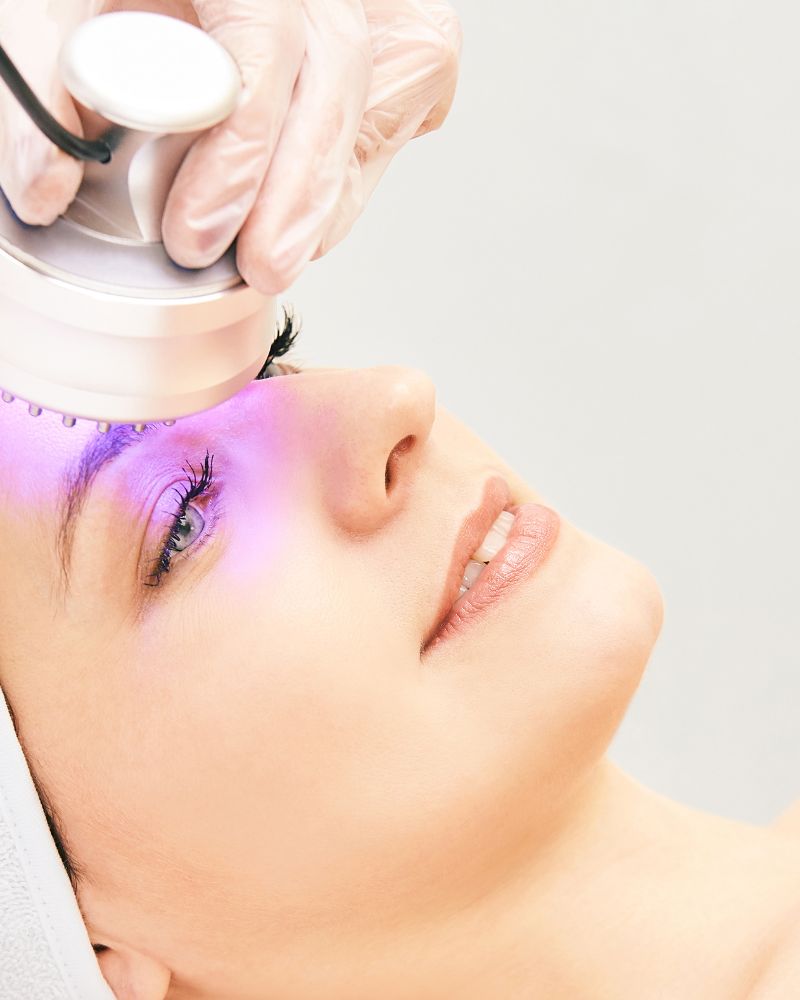
Precision Laser Treatments for Smoother Skin
Laser settings are tailored to your unique skin type and specific goals—whether you are subtly addressing sun damage or seeking a more intensive reduction of deep acne scars and stretch marks. The precise technology effectively treats age spots, fine lines, and uneven skin color.
Over time, patients typically experience natural-looking improvements in clarity, smoothness, and radiance.
Frequently Asked Questions
What is laser skin resurfacing, and how does it work?
What skin concerns can laser resurfacing improve?
The versatile technology addresses a wide range of textural and tonal concerns. It is commonly used to treat acne scars, stretch marks, and fine lines. It can effectively fade sun spots and reduce the appearance of enlarged pores. Overall skin quality—including dullness and pigmentation issues—benefits significantly from laser resurfacing.
What is the LaseMD Ultra (Thulium) laser, and how is it different from other lasers?
Traditional resurfacing lasers remove the top layer of skin, causing damage that requires significant healing time. In contrast, the LaseMD Ultra laser targets deeper layers while leaving the surface intact. LaseMD Ultra is fractional (treating only a portion of the skin at a time) and non-ablative (rejuvenating the skin without removing the surface).
Can laser resurfacing improve acne scars or stretch marks?
Yes. This technology is one of the most effective non-surgical treatments for improving the appearance of both. The laser breaks down scar tissue, triggering the production of collagen and elastin. Because acne scars and stretch marks involve deeper disruptions in the skin’s structure, treatment typically requires multiple sessions. While laser resurfacing may not erase these concerns, it can significantly reduce their visibility.
How many treatments are needed, and how long do the results last?
Patients commonly receive a series of 3 to 5 treatments spaced approximately 4 weeks apart. You typically notice gradual improvement after each session, especially with textural issues such as scars. Results are typically long-lasting, though they do not stop the natural aging process. Periodic maintenance treatments can help preserve these improvements over time.
What can I expect during and after treatment?
Your in-office treatment begins with a topical numbing cream to ensure comfort. As the laser is applied, you may feel a slight, warm prickling sensation. Immediately after the procedure, your skin will typically appear red and feel similar to a mild sunburn for several days. Minor flaking and rough spots are common as the skin heals. Most patients fully recover within 2 to 5 days.
Get in touch!
Contact Us
Location
9323 Pinecroft Dr, Ste 202
The Woodlands, TX 77380
© Copyright 2026 Rêve Dermatology and Aesthetics
| Accessibility | Privacy |