
Chemical Peels
Reveal Brighter, More Even Skin
A cornerstone of dermatological care, chemical peels are one of the most time-tested methods for improving skin clarity, texture, and tone. These highly refined treatments deliver controlled, predictable renewal that rivals newer energy-based resurfacing methods. Peels effectively "reset" the skin’s surface by removing damaged upper layers to reveal smoother, brighter, healthier skin beneath.
Chemical peels are particularly effective for concerns such as acne, sun damage, and melasma (blotchy patches on the face). By dissolving the bonds between damaged skin cells, treatments address discoloration, stubborn pigmentation, uneven tone, and rough skin texture. Chemical peels are often effective for conditions that fail to respond to topical skincare alone.
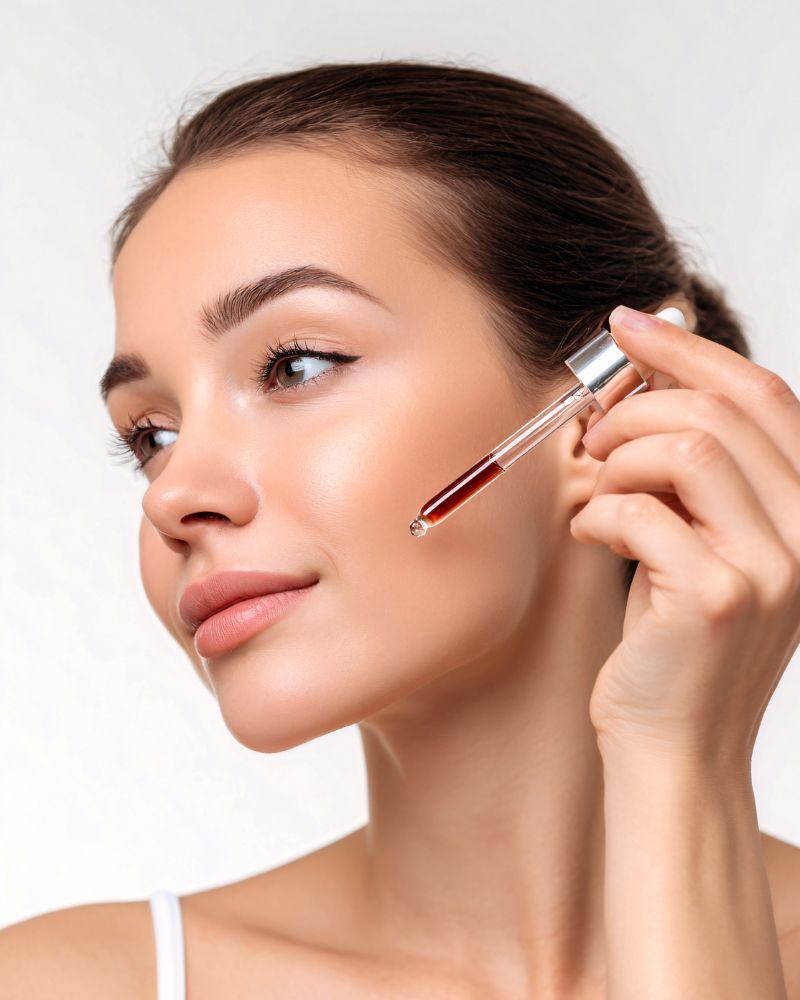
Medical-Grade Peels Tailored to Your Skin
Unlike spa-based treatments, medical-grade chemical peels are determined by a physician based on your goals, skin type, and clinical concerns. Treatments range from superficial "glow" peels for immediate brightening to corrective resurfacing for structural change—all with a focus on delivering vibrant, healthy skin.
Frequently Asked Questions
What is a chemical peel, and how does it work?
Using a carefully formulated acid solution, a chemical peel removes damaged outer layers of the skin. This accelerates cellular turnover and stimulates the production of new collagen and elastin. As the old skin sheds, the body's regenerative processes produce new skin that is smoother and more evenly pigmented.
What skin concerns can chemical peels address?
Highly versatile, chemical peels address issues at the surface level and within the skin's structure. They can effectively treat a broad range of concerns, including active acne and the bumpy skin texture acne often leaves behind. Chemical peels are excellent for reversing sun damage, smoothing fine lines, minimizing enlarged pores, and reviving dull complexions.
What types of chemical peels are available?
Peels typically fall into three general categories. Light peels offer gentle exfoliation, brightening skin with minimal downtime. Medium-depth peels penetrate deeper to address concerns such as acne and more pronounced texture issues. Deep peels, performed selectively, commonly treat significant sun damage, pronounced wrinkles, and scarring.
How do I know which peel is right for my skin?
With a thorough evaluation of your skin type, medical history, lifestyle, and pigmentation risk, we determine the best treatment for you. This comprehensive assessment, which includes your downtime preference, allows us to select a peel that delivers results precisely tailored to your goals.
What is the downtime after a chemical peel?
Downtime typically varies depending on the depth of the peel. Light peels may cause temporary redness, mild flaking, or a "tight" feeling for a few days. Medium peels often involve more visible flaking and redness that lasts for about 5 to 7 days. Deeper peels may involve 10 to 14 days of recovery time as the skin exfoliates, followed by several weeks of redness.
Are chemical peels safe for darker skin tones or melasma-prone skin?
Yes. In these cases, chemical peels are often preferred over traditional lasers, which can carry a slightly higher risk of worsening pigmentation through heat-induced inflammation. Before the procedure, we further minimize risk by priming the skin with therapeutic topicals, ensuring we treat deeper skin tones safely and effectively.
Can chemical peels be combined with other treatments?
Yes. As part of a comprehensive rejuvenation plan, chemical peels are often paired with other treatments. They can enhance texture alongside microneedling, complement laser treatments for stubborn pigmentation, and prep the skin for better absorption of therapeutic topicals.
Get in touch!
Contact Us
Location
9323 Pinecroft Dr, Ste 202
The Woodlands, TX 77380
© Copyright 2026 Rêve Dermatology and Aesthetics
| Accessibility | Privacy |