Microneedling

Restore Texture, Tone, and Clarity With Microneedling

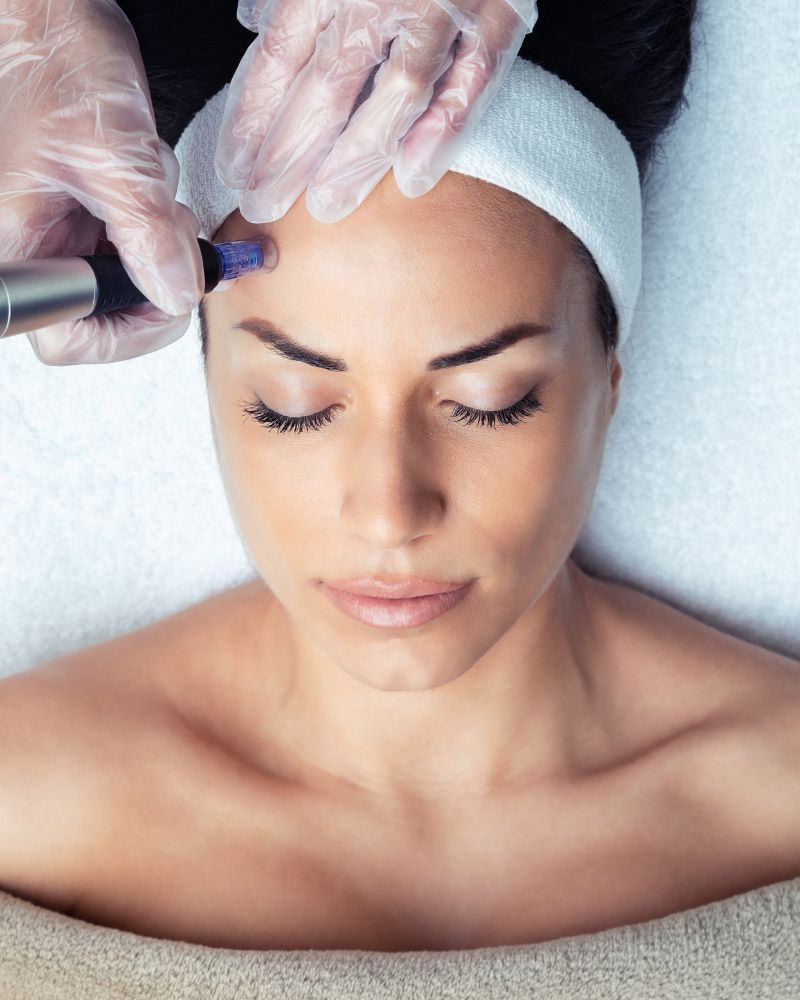
Unlike surface-level treatments, microneedling works beneath the skin to harness the body’s natural regenerative powers. This minimally invasive procedure creates precise microchannels in the skin to stimulate the production of collagen and elastin. These proteins are the building blocks of firm, smooth, resilient skin.

Microneedling often addresses concerns that resist topical treatment alone, such as acne scarring, fine lines, and uneven skin texture. It is also highly effective in treating enlarged pores and loose skin while reviving a dull, tired complexion. Treatment can be combined with biologics, such as PRF, PRP, PDGF (growth factors), and other regenerative therapies.

Women getting microneedling treatment

Safe and Effective for All Skin Types

Because it doesn't rely on heat energy or target pigment, microneedling is typically safe for all skin types and carries minimal risk of post-inflammatory hyperpigmentation (dark spots). It is often a foundational treatment to restore smoothness and clarity while strengthening the skin over time.

Frequently Asked Questions

What is microneedling, and how does it work?
Using a specialized medical device with ultra-fine needles, the treatment creates thousands of microscopic punctures in the skin. These micro-injuries, which are nearly invisible to the naked eye, trigger the body's natural repair mechanisms. As the skin heals over the following weeks and months, fresh collagen and elastin produce smoother, thicker, and more refined skin.
What skin concerns can microneedling improve?
Microneedling is highly effective at improving textural concerns. It can soften the appearance of acne scars and surgical scars, smooth fine lines, and improve uneven texture. The treatment also addresses structural integrity, tightening loose skin, and lessening early signs of aging by strengthening the skin's underlying support structure.
Is microneedling safe for all skin types and tones?
Yes. Unlike treatments that target melanin (pigment), microneedling is considered a "color- blind" therapy, causing minimal thermal injury. This significantly reduces the risk of unwanted skin darkening, a common concern with some other resurfacing methods.
How is medical microneedling different from at-home or spa treatments?
Medical microneedling offers critical advantages over treatments by non-medical providers. In a dermatology office, we use FDA-cleared devices with precise depth control and sterile techniques. Procedures are performed under topical anesthesia and tailored to your specific skin needs by a physician.
What can I expect during and after treatment?
To ensure comfort, the process begins with the application of a medical-grade numbing cream. During the procedure, you will feel a gentle vibrating or prickling sensation. Immediately after, the skin typically appears flushed and feels warm, similar to a moderate sunburn, with possible mild swelling. These effects usually resolve within 24 to 72 hours, with light flaking as the skin heals over the next few days.
How many treatments will I need, and when will I see results?
Because collagen remodeling is a progressive process, optimal results are achieved through a series of treatments. Most patients benefit from 3 to 6 sessions spaced about 4 to 6 weeks apart. You may notice surface improvements, commonly described as a "glow," after a single treatment. The underlying structural benefits that improve texture and scarring develop over 3 to 6 months.
Can microneedling be combined with other treatments?
Yes. To enhance results, the treatment is commonly combined with other therapies such as therapeutic topicals. Pairing microneedling with PRP (Platelet-Rich Plasma) or PRF (Platelet-Rich Fibrin) can accelerate healing and boost collagen production, while use with radiofrequency (RF) can enhance skin tightening.

Get in touch!

Contact Us

Location

9323 Pinecroft Dr, Ste 202

The Woodlands, TX 77380

Phone

© Copyright 2026 Rêve Dermatology and Aesthetics

| Accessibility | Privacy |

Name